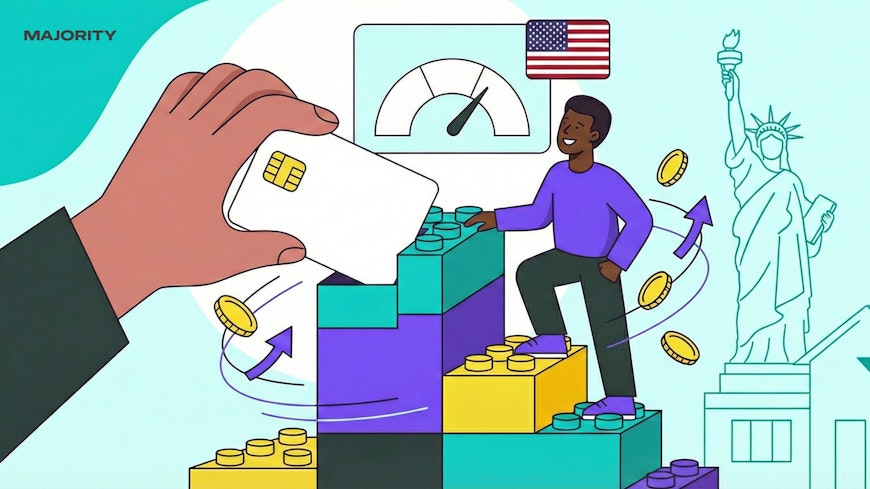
For individuals new to the U.S. financial system or those beginning their credit journey, understanding how credit works can be an important step toward achieving various financial goals, from home ownership to securing favorable loan terms.
The role of credit in the U.S. financial system
In the United States, credit scores serve as a numerical representation of an individual's financial history, typically ranging from 300 to 850. This three-digit number influences many aspects of financial life, including loan approval rates, interest rates offered by lenders, and in some cases, even employment opportunities or housing applications.
Key components of a credit score
Credit scores are calculated using several factors, each weighted differently:
Payment history represents the most significant component, reflecting whether payments have been made on time.
Credit utilization ratio measures the percentage of available credit currently being used. For example, if someone has a credit limit of $10,000 and currently owes $3,000, their utilization ratio would be 30%.
Length of credit history considers how long credit accounts have been active.
Credit mix refers to the variety of credit types in use, such as credit cards, auto loans, or mortgages.
New credit inquiries account for recent applications for credit and newly opened accounts.
Common methods for establishing credit
Secured credit cards require a security deposit that typically serves as the credit limit. Many financial institutions report secured card activity to credit bureaus, allowing cardholders to build credit history.
Authorized user status involves being added to accounts belonging to family members with established credit. When the primary account holder has positive payment history, this information may appear on the authorized user's credit report. However, negative information can also transfer.
Credit builder loans hold the borrowed amount in a savings account while the borrower makes regular payments. Upon completion, the borrower receives the accumulated loan amount plus any interest earned, and the payment history is reported to credit bureaus throughout the process.
Best practices for credit building
Maintain payment consistency. Since payment history is the most influential factor, making on-time payments across all credit obligations is crucial. Automatic payments or calendar reminders can help prevent missed payments.
Manage credit utilization. Many financial educators suggest keeping utilization below 30% may be beneficial, with lower ratios potentially being even more favorable.
Monitor credit reports regularly. Federal law allows consumers to access free credit reports from each of the three major credit bureaus (Equifax, Experian, and TransUnion) annually through AnnualCreditReport.com.
Potential pitfalls to avoid
Be mindful of actions that might negatively impact credit:
- Multiple credit applications in short periods may lower scores temporarily
- Closing older credit accounts can affect utilization ratios and average account age
- Late or missed payments can remain on credit reports for up to seven years
- High credit utilization may signal financial strain to scoring models
Timeline for credit development
Credit building takes time. After opening your first credit account, it typically takes several months for a credit score to appear. With consistent on-time payments and responsible use, most people see meaningful improvements within the first year and continue building from there.
Conclusion
Building credit in the United States rewards consistency and responsible financial management. Understanding the factors that influence credit scores and the methods available for establishing credit history can help individuals make informed decisions about their financial futures.